Biomass Briquettes Manufacturer & Supplier in India for Industrial Applications
Biomass briquettes are densified solid biomass fuels supplied in a compact format for compatible industrial boilers, furnaces, kilns and process-heating systems.
Ashmit Bio Synergy manufactures and supplies biomass fuel products from its manufacturing operation in Nawabganj, Unnao, Uttar Pradesh. For industrial procurement, briquette selection should be based on GCV, moisture, ash, sulphur, density, physical size, equipment compatibility, handling requirements and delivered fuel economics.
Industrial Biomass Briquettes for Boilers, Furnaces & Kilns
Biomass briquettes are used where the industrial heating system is designed to handle a larger densified biomass fuel format. The suitable grade depends on the equipment, required heat, fuel characteristics and operating conditions.
Biomass Briquettes for Industrial Boilers
Briquettes can be considered for compatible industrial boiler systems used for steam generation and process heating. Boiler fuel-feeding arrangements, ash handling and acceptable fuel specifications should be checked before procurement.
Biomass Briquettes for Industrial Furnaces
Industrial furnaces may use briquettes where the combustion system, feeding arrangement and required thermal profile are compatible with the selected fuel.
Biomass Briquettes for Brick & Lime Kilns
Briquettes can be used in suitable kiln systems requiring sustained thermal energy. Fuel selection should consider kiln design, heat requirement, ash characteristics and expected consumption.
Biomass Briquettes for Process Heating
Selected manufacturing and thermal processes can use briquettes where the fuel format and combustion system are compatible with the plant's operating requirements.
What Are Biomass Briquettes?
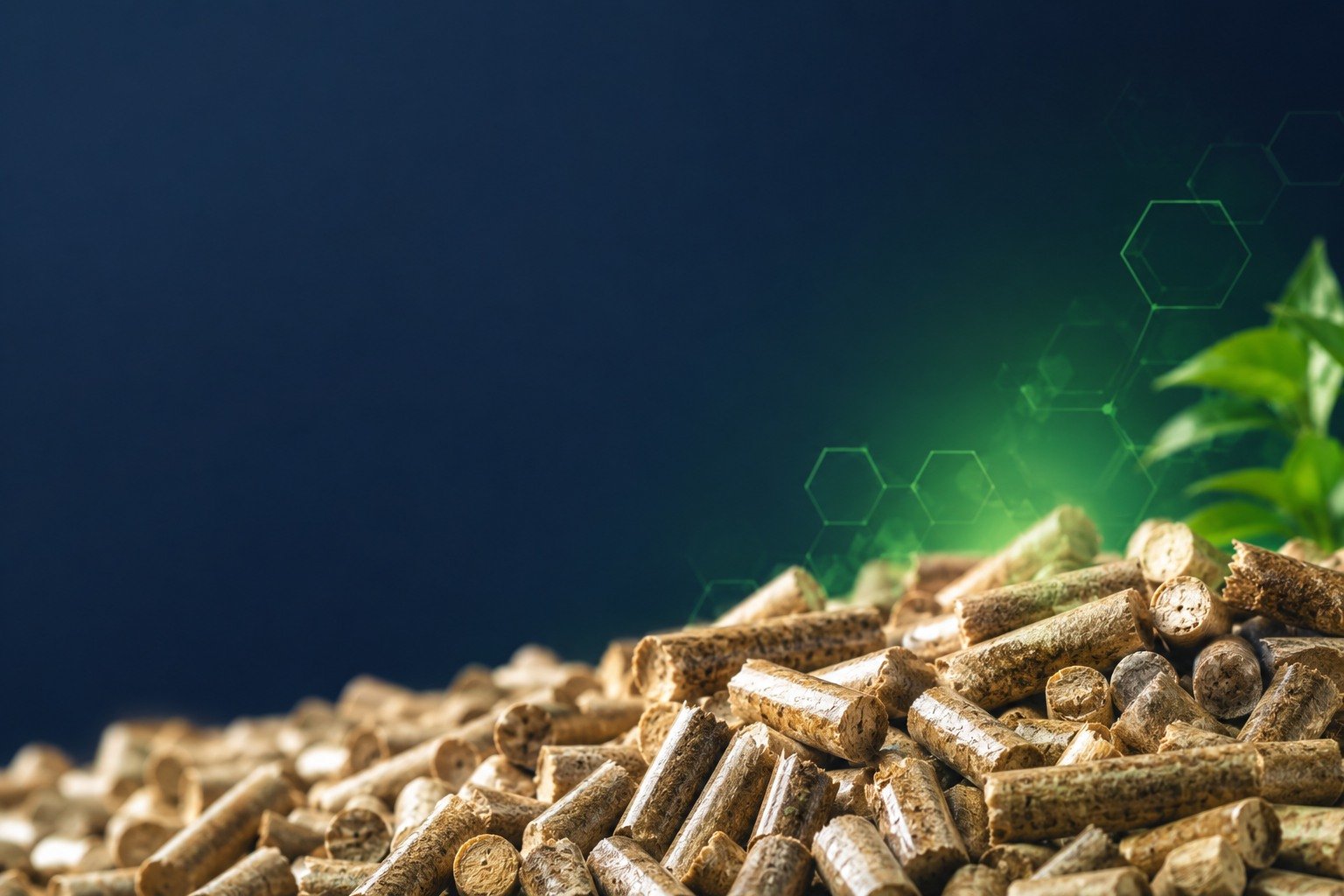
Biomass briquettes are compressed solid fuels produced by densifying suitable biomass residues into a larger, compact fuel form. Compared with loose agricultural residues, densification can provide a more manageable format for storage, transportation and fuel handling.
Biomass briquettes are compressed solid fuels produced by densifying suitable biomass residues into a larger, compact fuel form. Compared with loose agricultural residues, densification can provide a more manageable format for storage, transportation and fuel handling.
The physical characteristics of a briquette — including its diameter, length, density, moisture and composition — affect how it behaves during storage, feeding and combustion.
Biomass Briquettes vs Loose Biomass
Loose biomass can have variable particle size, density and moisture. Briquetting converts suitable material into a denser and more uniform fuel form that can be easier to handle in compatible industrial systems.
Biomass Briquettes vs Biomass Pellets
Pellets and briquettes are both densified biomass fuels, but they differ in physical size and feeding characteristics.
For a plant selecting between the two formats, equipment compatibility, fuel consumption, storage, feeding arrangement and delivered economics should be evaluated.
Biomass Briquette Specifications for Industrial Buyers
Industrial buyers should evaluate measurable fuel characteristics before confirming a briquette supply arrangement.
Gross Calorific Value (GCV)
GCV indicates the energy available from the fuel and helps buyers assess expected fuel consumption against their thermal requirement.
Moisture Content
Moisture affects useful energy and combustion behaviour. A consistent moisture range is important for predictable fuel performance and consumption.
Ash Content
Ash is the non-combustible residue remaining after combustion. The acceptable level depends on the equipment, application and ash-handling arrangement.
Sulphur Content
Sulphur is an important fuel-quality parameter where plant-specific emissions requirements or fuel specifications apply.
Briquette Density
Density influences storage volume, handling and physical fuel behaviour. Buyers should evaluate density together with the intended equipment and application.
Briquette Diameter & Physical Size
Briquette diameter and length should match the plant's fuel-feeding and combustion arrangement. Common commercial formats in the Indian market include larger cylindrical briquettes, with exact dimensions varying by manufacturer and product grade.
Raw Material & Fuel Composition
Briquettes may be manufactured from suitable agricultural residues, wood residues or blended biomass materials. The raw material influences GCV, ash, moisture, combustion behaviour and overall fuel suitability.
Biomass Briquette Size, Form & Handling
Physical format is an important procurement factor because briquettes must move from unloading to storage and finally into the combustion system without creating handling problems.
Briquette Diameter
Diameter should be selected according to the plant's feeding and combustion system. Buyers should confirm the required diameter before placing a bulk order.
Briquette Length
Length can vary according to manufacturing and product specifications. The fuel should be compatible with the plant's loading, conveying and feeding arrangement.
Loose or Bagged Supply
Industrial briquettes may be supplied in bulk or packaged formats depending on quantity, plant storage and unloading requirements.
Storage & Unloading
Storage conditions, unloading equipment and available storage capacity should be considered together with monthly consumption and delivery frequency.
Agro Flame BU Biomass Briquettes
Agro Flame BU is currently listed in Ashmit Bio Synergy's product portfolio as a budget kiln-grade biomass briquette/pellet product positioned for brick kilns, lime kilns and pottery applications.
Agro Flame BU is currently listed in Ashmit Bio Synergy's product portfolio as a budget kiln-grade biomass briquette/pellet product positioned for brick kilns, lime kilns and pottery applications.
Agro Flame BU Specifications
Intended Applications
Agro Flame BU is positioned for selected kiln and sustained radiant-heat applications.
Because BU is currently catalogued as a briquette/pellet product, the exact physical format, specification and availability should be confirmed with Ashmit for the intended commercial order.
How to Choose Biomass Briquettes for Your Plant
The right briquette is not necessarily the one with the highest GCV or lowest price. The fuel should match the plant's equipment, thermal requirement, handling system and operating economics.
Start With Your Equipment
Identify whether the fuel will be used in a:
Define the Required Heat
Consider the required operating temperature, thermal demand, operating hours and approximate fuel consumption.
Match the Fuel Specification
Review the key fuel parameters before selecting the briquette.
Check Feeding & Storage
Confirm that the existing unloading, storage, conveying and feeding arrangement is compatible with the selected briquette format.
Estimate Monthly Consumption
Monthly consumption helps determine order quantity, storage requirements, delivery frequency and the practical supply arrangement.
Compare Delivered Fuel Economics
Compare delivered cost and expected usable energy rather than comparing only the quoted ex-plant price per metric tonne.
Biomass Briquettes for Industrial Applications
Briquette suitability depends on the equipment and process rather than the industry name alone.
Brick Kilns
Briquettes can provide a densified solid fuel option for compatible kiln systems requiring sustained heat.
Lime Kilns
Fuel selection should consider kiln configuration, thermal requirement, combustion behaviour and ash tolerance.
Pottery & Ceramic Units
Compatible ceramic and pottery kilns can evaluate briquettes where the required heat profile and fuel-feeding arrangement support the format.
Industrial Furnaces
Furnace operators should assess fuel-feeding method, heat requirement, combustion characteristics and acceptable ash levels before switching fuel.
Industrial Boilers
Compatible boiler systems can consider briquettes for steam generation and process heating where the combustion and feeding system supports the fuel format.
Other Process-Heating Applications
Briquettes may be considered for selected thermal manufacturing applications where a larger densified biomass fuel is technically suitable.
Application suitability should be evaluated against the actual kiln, boiler, furnace or process-heating system rather than assumed from the industry category alone.
Biomass Briquette Quality Testing & Documentation
Industrial briquette procurement should be based on measurable product information rather than visual inspection alone.
GCV Testing
GCV testing helps buyers verify the energy value of the supplied fuel against the applicable product specification.
Moisture Testing
Moisture testing helps assess whether the delivered fuel remains within the agreed product specification.
Ash & Sulphur Testing
Ash and sulphur values help buyers evaluate fuel suitability for their combustion and operating requirements.
Density & Physical Dimension Checks
Density, diameter and physical dimensions should be considered where the plant's feeding and handling system depends on a defined fuel format.
Batch / Lot Documentation
For commercial procurement, buyers should request applicable product specifications and test documentation for the supplied batch or lot.
Laboratory Testing Before Dispatch
Ashmit's current product information states that commercial fuel batches undergo laboratory testing before dispatch.
What Industrial Buyers Should Verify
Product specifications and applicable test information provide a stronger procurement basis than relying only on the visual appearance of the briquette.
Biomass Briquette Price in India
Biomass briquette prices vary according to raw material, grade, GCV, moisture, ash, briquette size, order quantity, packaging, delivery distance and current supply conditions.
Because commercial prices can change, the current price should be confirmed for the required specification and delivery location.
What Determines Biomass Briquette Price?
A commercial briquette quotation is influenced by both fuel specification and supply conditions. Buyers should compare the complete delivered requirement rather than treating the quoted price per metric tonne as the only deciding factor.
Raw Material
GCV & Fuel Quality
Moisture & Ash
Briquette Size & Grade
Order Quantity
Packaging
Delivery Distance
Current Supply Conditions
How Should Buyers Compare Briquette Prices?
A useful commercial comparison should consider the delivered cost, expected fuel requirement and practical operating impact rather than comparing only the quoted ex-plant price.
Bulk Biomass Briquette Supply for Industrial Buyers
Recurring industrial fuel requirements should be planned around plant consumption, storage capacity, delivery frequency and required fuel specifications.
Information Required for a Bulk Briquette Quote
Providing the plant and fuel details upfront helps the commercial team understand the required product specification, quantity and delivery arrangement.
Regular Industrial Supply
For recurring consumption, supply planning should consider monthly demand, available storage and the required delivery schedule.
Packaging & Dispatch
Packaging and dispatch format should be selected according to plant handling capability, storage conditions and order quantity.
Delivery Planning
Delivery requirements depend on plant location, quantity, storage capacity, consumption rate and logistics conditions.
Biomass Briquette Procurement Process
A clear procurement process helps align the required fuel specification, quantity, delivery arrangement and commercial terms before regular supply begins.
Share Your Plant Requirement
Provide the plant location, industry, equipment type, approximate consumption and intended application.
Confirm Fuel Specification
Discuss GCV, moisture, ash, sulphur, size and other applicable product requirements.
Confirm Quantity & Delivery
Confirm order quantity, delivery location, packaging and expected supply frequency.
Review Commercial Quote
Compare the applicable fuel grade, delivered pricing and supply terms.
Schedule Supply
Finalize the commercial arrangement and dispatch schedule for the selected requirement.
The final supply arrangement should be confirmed against the applicable product specification, quantity, delivery location and commercial terms.
Why Choose Ashmit Bio Synergy for Biomass Briquettes
Ashmit Bio Synergy combines industrial biomass manufacturing, application-focused product information and commercial fuel supply support for buyers evaluating biomass briquettes.
Industrial Biomass Manufacturing
Ashmit Bio Synergy operates its manufacturing operation in Nawabganj, Unnao, Uttar Pradesh.
Application-Focused Fuel Selection
The current product portfolio positions Agro Flame BU toward brick kiln, lime kiln and pottery applications.
Product Testing
Ashmit's current product information states that fuel batches undergo laboratory testing before commercial dispatch.
Industrial Supply Support
Buyers can discuss product specifications, quantity, delivery requirements and commercial supply arrangements with the Ashmit sales team.
Frequently Asked Questions About Biomass Briquettes
Common questions from industrial buyers evaluating biomass briquettes, fuel specifications, applications, pricing and bulk supply.
What are biomass briquettes?
Biomass briquettes are compressed and densified solid biomass fuels produced from suitable biomass materials for compatible thermal applications.
What are biomass briquettes used for?
Depending on the fuel grade and equipment, biomass briquettes can be considered for brick kilns, lime kilns, pottery and ceramic applications, industrial furnaces, boilers and selected process-heating systems.
What is the GCV of biomass briquettes?
GCV varies according to raw material, formulation and product grade. The applicable GCV should be confirmed from the specification of the required briquette.
What specifications should I check before buying biomass briquettes?
Buyers should review GCV, moisture, ash, sulphur, density, diameter, length, raw material and the compatibility of the fuel with the plant's feeding and combustion system.
What sizes are biomass briquettes available in?
Briquette diameter and length vary by manufacturer and product grade. The required physical size should be matched with the plant's feeding and combustion arrangement.
Are biomass briquettes suitable for industrial boilers?
They can be suitable where the boiler and fuel-feeding system are designed to handle briquettes. Compatibility should be confirmed before procurement.
Are biomass briquettes suitable for brick kilns?
They can be considered for compatible brick-kiln systems. The appropriate grade depends on kiln design, heat requirement, fuel handling and acceptable fuel characteristics.
What affects biomass briquette price in India?
Raw material, GCV, moisture, ash, briquette grade and size, order quantity, packaging, delivery distance and current supply conditions can affect the commercial price.
Can Ashmit Bio Synergy supply biomass briquettes in bulk?
Ashmit provides industrial fuel enquiry and supply options. Current quantity, product specification, delivery format and commercial terms should be confirmed for the specific requirement.
What is Agro Flame BU?
Agro Flame BU is currently listed in Ashmit's product catalog as a budget kiln-grade briquette/pellet product positioned for brick kilns, lime kilns and pottery units.
How can I request a biomass briquette quotation?
Share your plant location, industry, equipment or kiln type, expected monthly consumption and delivery requirement with Ashmit's sales team.
Need Biomass Briquettes for Your Industrial Plant?
Share your fuel requirement with Ashmit Bio Synergy to discuss the applicable briquette specification, quantity, delivery arrangement and current commercial pricing.
Help Us Understand Your Fuel Requirement
Sharing the basic plant and supply details can make the commercial discussion more specific and useful.